
Compression Socks
Compression socks may improve circulation and reduce swelling-related calf discomfort during pregnancy.
A trimester-by-trimester guide to pregnancy leg cramps, calf pain, night cramps, and safe relief methods
Leg cramps during pregnancy can suddenly wake you up at night with intense calf pain. Learn why pregnancy leg cramps happen, how common they are, what exercises help, and when you should contact your doctor.
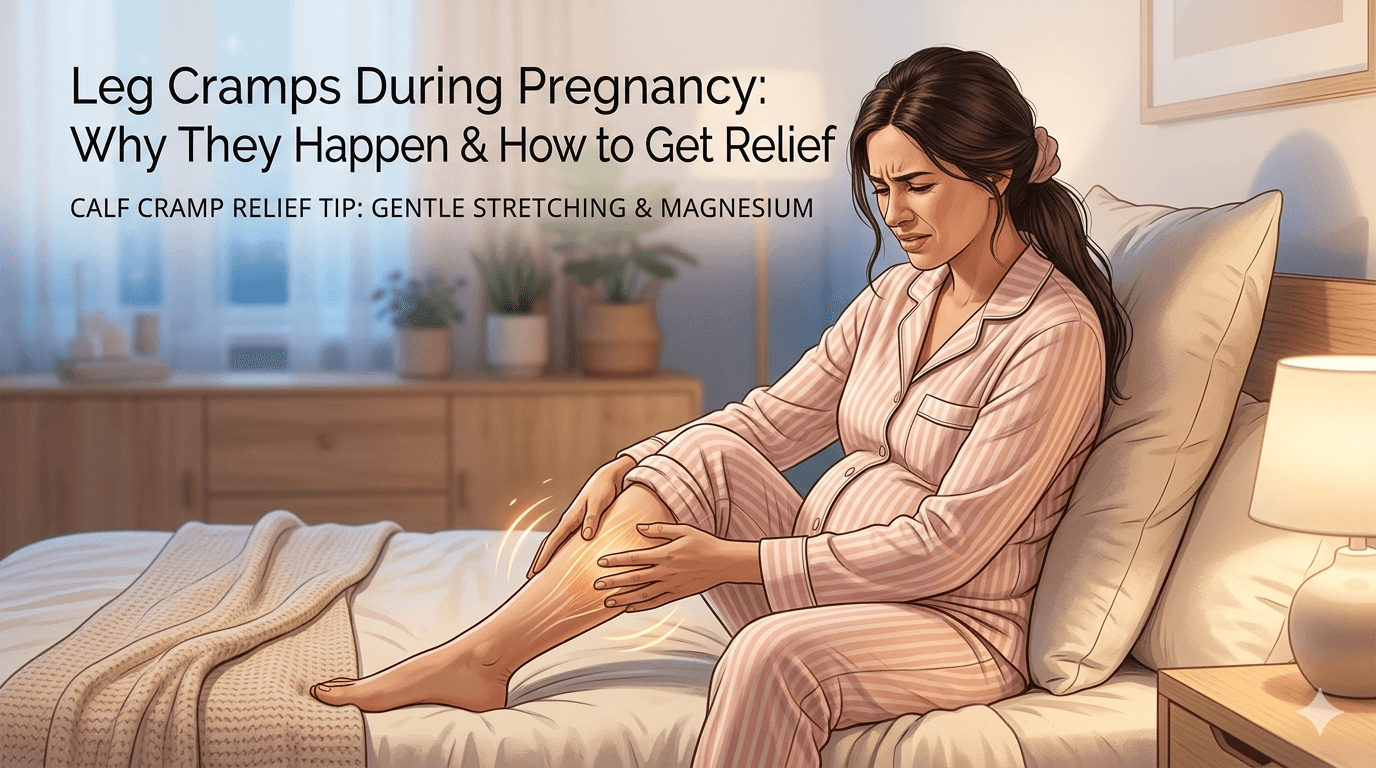
Pregnancy leg cramps are extremely common, especially during the second and third trimester. Research suggests that approximately 30–50% of pregnant women experience repeated leg cramps during pregnancy, while some studies report that up to two-thirds of women in the third trimester experience nighttime calf cramps.
Most cramps happen during sleep or rest and commonly affect the calf muscles. They may last from a few seconds to several minutes and can leave lingering soreness afterward.
Estimated prevalence based on clinical studies and obstetric surveys:
| Trimester | Estimated % of Mothers Affected | Most Common Timing |
|---|---|---|
| First Trimester | 10–20% | Evening or after walking |
| Second Trimester | 30–45% | Nighttime and sleeping |
| Third Trimester | 50–70% | During sleep or resting |
Based on regional maternal health trends and pregnancy symptom studies:
| Pregnancy Stage | Estimated % of Indian Mothers |
|---|---|
| Early Pregnancy | 15–22% |
| Mid Pregnancy | 35–50% |
| Late Pregnancy | 55–72% |
Pregnant women may experience different forms of cramps:
The most common type. Sharp tightening in the back of the lower leg.
Painful tightening in the feet or toes, often during sleep.
Sudden muscle tightening in upper legs after activity or long standing.
Leg cramps during pregnancy while sleeping that suddenly wake mothers from sleep.
Doctors and researchers believe several factors contribute:
Most pregnancy leg cramps occur at night because blood circulation slows during rest and calf muscles tighten after daily strain. Sleeping positions may also reduce circulation temporarily, increasing cramp risk.
These gentle movements may help reduce cramps and improve circulation:
Certain habits may worsen cramping:
Compression socks may improve circulation and reduce swelling-related calf discomfort during pregnancy.
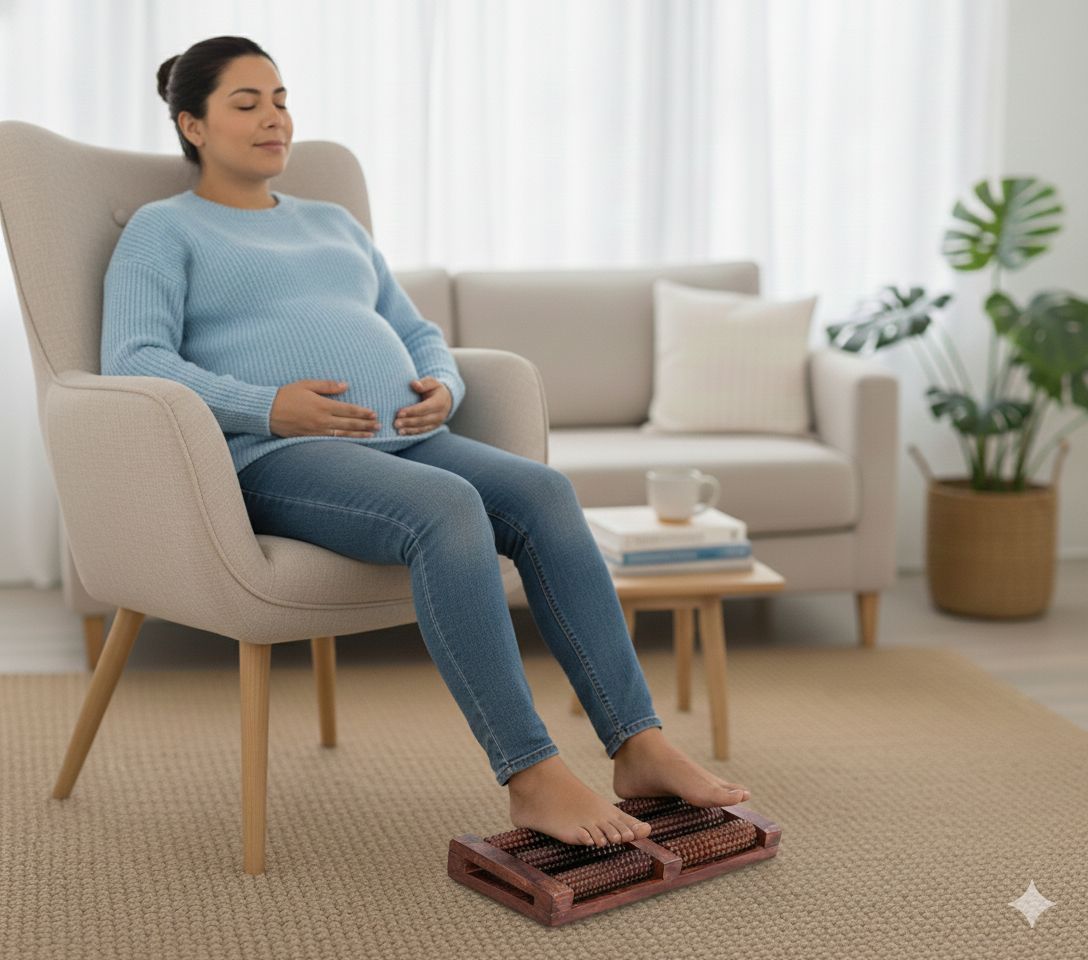
Massage rollers may help release muscle tension and improve circulation.
According to a Cochrane Review involving multiple pregnancy studies, leg cramps are one of the most common discomforts during pregnancy, especially in the third trimester. Studies estimate that 30–50% of pregnant women experience recurring cramps weekly. Research also suggests that sleep quality, hydration, and muscle stretching may influence symptom severity.
Some studies have explored magnesium supplementation for pregnancy leg cramps relief, though results remain mixed. Stretching and supportive lifestyle measures remain commonly recommended by OB-GYNs.
Contact your healthcare provider if you experience severe swelling in one leg, redness, warmth, persistent pain, sudden difficulty walking, or cramps accompanied by chest pain or shortness of breath. These symptoms may indicate a blood clot or circulation issue requiring immediate medical attention.

Pregnancy discomfort changes every trimester — from nausea and fatigue to swelling and nighttime leg cramps. Hi Mumma’s trimester-based care kits include carefully selected comfort products like compression socks, leg support pillows, foot rollers, heating pads, and sleep support essentials designed to help expecting moms feel more comfortable throughout pregnancy.
Yes. Around 30–50% of pregnant women experience leg cramps, especially during the second and third trimester.
Reduced circulation, muscle fatigue, and sleeping positions contribute to nighttime cramps.
Yes. Dehydration can increase muscle tightening and cramp frequency.
Stretching, hydration, compression socks, massage, and leg elevation may help relieve cramps.
They can happen early, but are much more common in the second and third trimester.
This article is for informational purposes only and does not replace medical advice. Always consult your doctor or OB-GYN regarding pregnancy symptoms or treatment options.